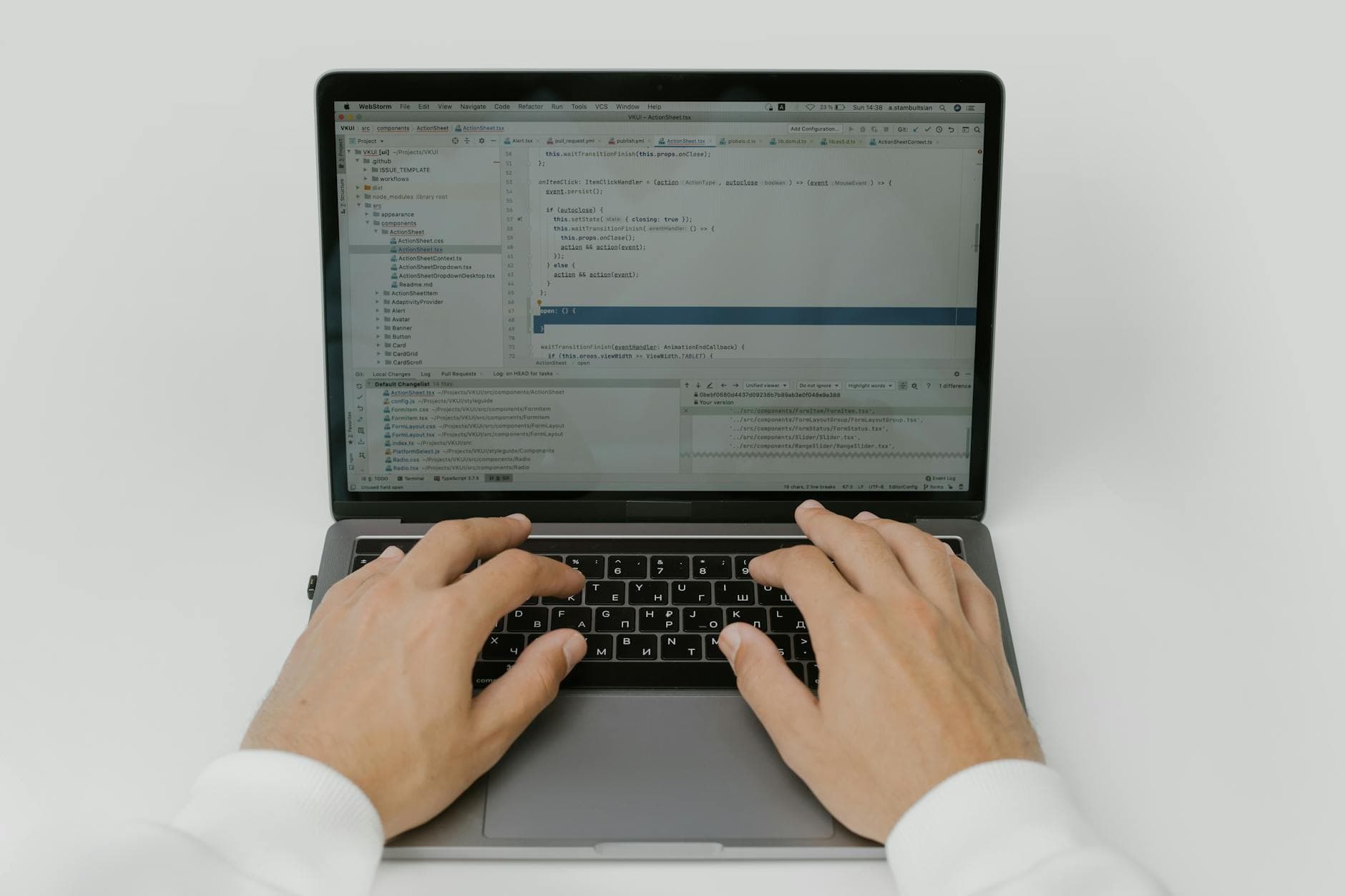
The Evolution of the Founder-Developer Relationship
The year is 2026. The "Founding Engineer" role has evolved from a sole individual writing lines of code to a strategic conductor orchestrating a symphony of artificial intelligence. The days of staring at a blank screen for hours, paralyzed by the "blank page syndrome," are largely over.
For startup founders, the question has shifted from "How do I build this?" to "How do I leverage AI to build this faster, cheaper, and smarter?" The MVP (Minimum Viable Product) is no longer just a stripped-down version of the final product; it is the primary vehicle for validating market assumptions.
AI coding assistants have moved beyond experimental tools to become essential infrastructure. They are no longer just autocomplete; they are code generators, architects, and debuggers. However, simply turning these tools loose on a project does not guarantee success. Without a strategy, you risk building "AI hallucinations" into your core logic or creating technical debt that buries your startup before it launches.
This guide explores how to effectively build an MVP using AI coding assistants in 2026, balancing the speed of automation with the rigor of engineering standards.
The New Workflow: Orchestrating AI, Not Just Using It
The most significant shift in the development landscape is the move from "coding" to "orchestration." In the past, a developer spent 80% of their time writing syntax and 20% thinking about architecture. Today, AI handles the syntax, leaving the founder (or lead developer) to focus on architecture, logic, and user experience.
#### 1. Context is King
AI assistants thrive on context. In 2026, the most effective workflows involve feeding the AI a comprehensive "system prompt" or project briefing before writing a single line of code.
* Practical Example: Instead of asking the AI to "build a login page," you provide context: "We are building a B2B SaaS for logistics. The user needs to authenticate via email and 2FA. Use Tailwind CSS for the frontend and implement a secure JWT token exchange with our Node.js backend. Follow the company's design system guidelines."
#### 2. The "Prompt-Refactor" Loop
The workflow is rarely linear. It is a loop of prompting, reviewing, and refining.
- Prompt: Request a specific feature.
- Review: Analyze the code for security vulnerabilities and scalability.
- Refine: Ask the AI to fix specific bugs or optimize database queries.
This cycle allows for rapid iteration, reducing the time from concept to code from weeks to days.
Architecting with AI: Speed Meets Scalability
One of the biggest fears founders have is that AI-generated code is "spaghetti code"—messy and hard to maintain. However, modern AI models are trained on vast repositories of high-quality open-source code. When guided correctly, they produce clean, scalable architecture.
Choosing the Right Stack
AI excels at modern, full-stack frameworks that require less boilerplate. In 2026, the "stack" is often determined by the AI's preference, which aligns well with startup needs for speed.
* Frontend: Next.js remains the king, but frameworks like Remix and Astro are gaining ground for performance. AI can scaffold these structures instantly.
* Backend: Python (FastAPI) and Node.js (NestJS) are the go-to choices because of their extensive AI library support.
* Database: AI simplifies database schema design. By describing your data model in plain English, AI can generate complex SQL schemas or NoSQL document structures.
Infrastructure as Code (IaC) Automation
Startup founders often struggle with DevOps. AI assistants can now manage cloud infrastructure configuration.
* Scenario: You need to deploy your MVP to AWS. You can prompt the AI to generate a Terraform or CloudFormation script that sets up a load balancer, auto-scaling groups, and a managed database.
* Benefit: This reduces deployment time from hours to minutes, allowing you to test changes in real-time.
The Speed Trap: Balancing Velocity with Quality
The allure of AI is the ability to move at the speed of thought. However, the MVP is a vessel for validation. If the vessel breaks before you reach the market, the speed is irrelevant.
Where AI Shines (and Where It Doesn't)
AI is a tool for execution, not strategy. It is excellent at:
* Writing repetitive functions (e.g., form validation).
* Translating code between languages.
* Writing unit tests.
* Generating boilerplate UI components.
AI struggles with:
* Complex business logic that requires deep domain expertise.
* Security auditing (it can miss zero-day vulnerabilities).
* User Experience (UX) design (it knows what looks good, but not what feels good).
Practical Example: The "Feature Creep" Risk
A common pitfall is using AI to build features you don't actually need.
Bad approach:* "Build me a dashboard with charts, graphs, data tables, export to PDF, and email notifications, all for the MVP."
Good approach:* "Build a dashboard that shows the top 5 revenue metrics. Do not include charts or PDF exports. We will add those in V2."
By defining strict MVP boundaries and prompting the AI to respect them, you maintain focus.
Security and Compliance: The Non-Negotiables
Speed cannot come at the expense of security. In 2026, data privacy is a top concern for users and investors. AI assistants can inadvertently introduce security flaws, such as hardcoded API keys or SQL injection vulnerabilities.
Best Practices for Secure AI Development
To mitigate these risks, founders must adopt strict protocols:
- Data Hygiene: Never paste sensitive proprietary data, passwords, or private API keys into public AI chat interfaces. Use local, private instances of models where possible.
- Static Analysis: Always run automated security scanning tools (like SonarQube or Snyk) on AI-generated code before merging it to the main branch.
- Review Code: Do not blindly copy-paste. You must act as the code reviewer. Look for
eval()functions, insecure deserialization, and CORS misconfigurations.
The Human Element: When to Bring in the Experts
Even with the most advanced AI assistants, there is a ceiling to what a solo founder or a small team can achieve. The "AI Native" developer knows when to step back and ask for help.
The Value of an Elite Agency
There is a distinct difference between a "hacker" using AI tools and a "software engineer" who leverages them. Hackers move fast and break things. Engineers build robust systems that scale.
As your MVP grows, the complexity increases exponentially. You will hit walls where the AI cannot reason through the architecture, or where the "quick fix" requires a complete refactor of the underlying system.
This is where specialized agencies like MachSpeed come into play. We don't replace AI; we guide it.
Why Partner with MachSpeed?
* Architectural Oversight: We ensure your MVP is built on a foundation that can support a Series A.
* Security Auditing: We act as the final safety net for your codebase.
* Strategic Development: We help you prioritize features that drive revenue, not just features that are cool to build.
Conclusion: Your MVP, Supercharged
Building an MVP in 2026 is an exercise in leverage. You are leveraging AI to reduce the cost of development and accelerate time-to-market. By adopting the right workflows, maintaining rigorous quality standards, and knowing when to seek expert help, you can build a product that validates your vision without draining your bank account.
The future of development is hybrid. It is the perfect marriage of human creativity and artificial intelligence intelligence. If you are ready to build an MVP that stands out in the crowded 2026 market, you need a team that understands how to navigate this new landscape.
Ready to move faster? Let's discuss how MachSpeed can help you build your MVP with the precision and speed of the future.
[CTA Button: Schedule a Free Strategy Call]